
In 2026, the global packaging industry faces a fresh wave of tech upgrades. Environmental requirements are rising. Smart manufacturing is becoming common, and demand for product traceability continues to grow. As a result, companies are moving away from traditional inkjet coding. They are choosing a better option: laser coding. It is more efficient, eco-friendly, and stable.
In the past, laser coding was mainly used to replace inkjet coding in some applications. Today, it helps companies in the food, beverage, and pharmaceutical industries. It also helps with daily chemicals, electronics, and export packaging. This support speeds up work and helps ensure products meet industry rules.
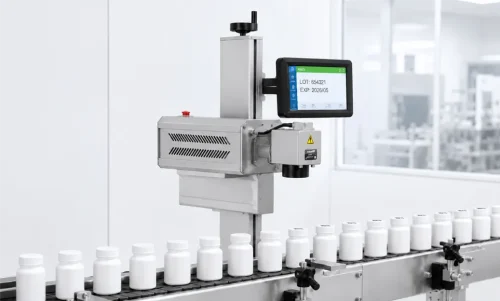
Five main development trends of packaging laser coding in 2026 include:
1. Ink-Free Laser Coding Enables Low-Carbon Production Upgrades
Traditional inkjet equipment uses ink, solvents, and cleaning fluids. This increases long-term costs, complicates consumable management, and creates environmental challenges.
Laser coding uses energy directly on the packaging surface. It doesn’t rely on ink or solvents. This creates permanent marks and reduces waste and pollution.
Laser equipment costs more at first for fast packaging lines, but it can save money later. You’ll spend less on supplies, service, and downtime.
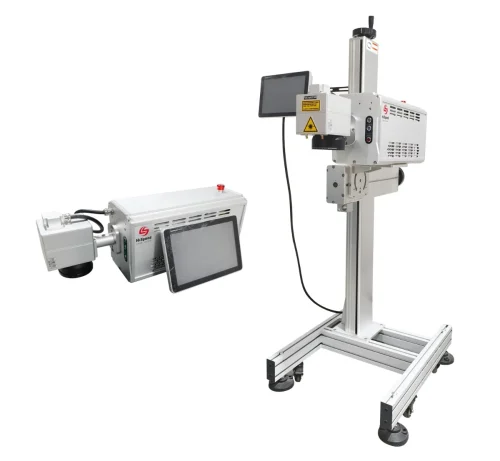
2. UV Laser Enables Precision Marking on Sensitive Packaging Materials
Packaging materials are changing. PET, HDPE, and LDPE need better marking. Recycled plastics and premium packaging for cosmetics and medicine also need clear markings.
UV lasers use 355 nm cold processing technology to reduce heat impact. They create sharp, clear marks on sensitive materials.
UV laser coding solutions work well for:
- Pharmaceutical Packaging
- Cosmetic Packaging
- Flexible Food Packaging
- Plastic bottles and films
Key advantages include:
- High-precision QR codes, batch numbers, and date code marking
- Less risk of material deformation and burning
- Meets the look and reliability needs of premium packaging.
3. AI Vision and Automation Improve Packaging Production Efficiency
Future packaging production lines will focus more on automatic positioning. They will also value quality checks and data management.
Laser equipment, used with CCD vision systems, can spot product placement. It marks accurately, reduces manual adjustments, and improves efficiency in multi-SKU production.
Development directions of intelligent packaging laser systems include:
- Automatic positioning and deviation correction via vision
- Inline inspection of QR codes and text clarity
- Real-time collection and tracking of full production data
- Smooth connection with factory MES and ERP systems for data sharing.
4. Direct Coding Technology Promotes Sustainable Packaging Development
More companies are moving toward green packaging. They are reducing labels and using permanent marking directly on packaging materials.
Laser direct coding can mark:
- Production Dates
- Batch Information
- Logos·
- QR Codes
- Anti-counterfeiting info
It works directly on bottles, cartons, plastic, and metal surfaces.
Laser marking uses less label material than traditional methods. It also makes tracking products easier.
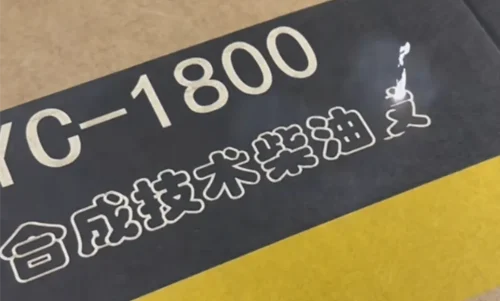
5. Growing Demand for Unique Identification and Global Traceability
Food safety, pharmaceutical management, and global trade need better product traceability.
Permanent laser marking offers several benefits.
- It resists removal.
- It is durable over time.
- It provides high readability.
These features help companies build more reliable product-tracking systems.
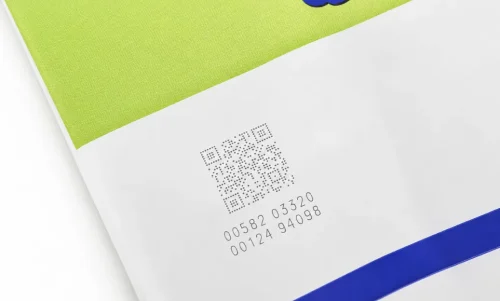
Hispeed Laser Packaging Laser Coding Solutions
To meet different packaging and production needs, Hispeed Laser has three main laser coding solutions: UV, CO₂, and fiber laser coding systems.
UV Laser Coding Machine
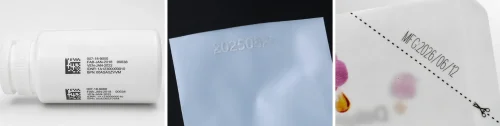
UV Online Flying Laser Coding Machines use low-heat UV cold processing technology. So when marking sensitive packaging like PET, HDPE, and LDPE, a UV laser is often a better option. It also works well on thin-wall and heat-sensitive materials. They achieve high-contrast and high-precision marking without burning or deformation.
They can reliably mark QR codes, batch numbers, production dates, and end dates. That’s why it is popular in the pharmaceutical, food, beverage, and cosmetic industries. Because it doesn’t need ink or solvents, it also helps reduce maintenance costs.
CO2 Laser Coding Machine
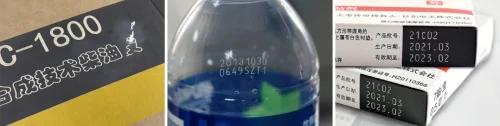
CO2 Online Flying Laser Coding Machines mark non-metal packaging quickly and reliably.
The systems clearly mark QR codes. They also mark batch numbers, date codes, and logos. This applies to cartons, paper boxes, PVC, acrylic, wood, and more. All the marks can last for a long time.
CO2 laser coding machines don’t need ink. This cuts production and repair costs. So if you work in the food, beverage, daily chemical, or packaging industries, this is a good solution.
Fiber Laser Coding Machine
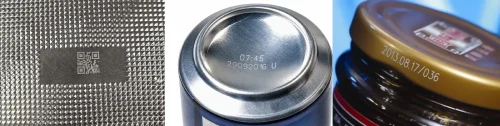
Fiber Online Flying Laser Coding Machines work well for metal and high-durability materials. They create strong, long-lasting marks on metals, aluminum foil, coated surfaces, and some plastics.
They offer stable, high-speed processing capability. This meets traceability needs, such as QR codes, serial numbers, and batch information.
Industries widely use them in electronics, automotive, hardware, and industrial packaging applications. They provide reliable online marking solutions for automated production lines.
Reflexiones finales
In 2026, packaging laser coding competition is no longer only about replacing equipment. It is moving toward low-carbon production, intelligent manufacturing, product traceability, and efficient operation.
The global packaging industry is evolving. By adopting eco-friendly, smart laser marking solutions, companies can reduce long-term costs. This also boosts competitiveness and helps meet future quality and regulatory demands.