
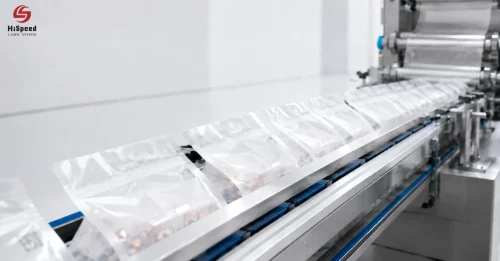
In the food, beverage, personal care, and pharmaceutical packaging industries, coding may seem like only a small step in the production process, but it directly affects product traceability, production efficiency, and brand image.
Information such as production dates, batch numbers, QR codes, and serial numbers may look simple, but they are closely linked to the information management system of the entire supply chain.
For many years, Thermal Transfer Overprinting (TTO) has been widely used in flexible films, pouch packaging, and pillow/vertical packaging production lines. It is a proven and reliable coding method.
However, the packaging industry continues to move toward higher speed, greater automation, and more sustainable manufacturing. As a result, many manufacturers are exploring alternatives to traditional TTO coding. They are seeking solutions that use fewer consumables, require less maintenance, run more reliably, and integrate better with future smart production lines.
Against this background, compact UV laser coding is becoming an increasingly attractive option for flexible packaging applications.
Challenges of Traditional Flexible Packaging Coding Methods
In daily production, many packaging companies face similar challenges.
Increased operational burden from consumable management
Traditional thermal transfer printing requires continuous ribbon usage.
For production lines that run for long hours, ribbon changes add to consumable costs. They can also cause machine downtime and increase maintenance work. Companies must also manage ribbon stocks and supplies.
Regular maintenance requirements for coding components
The print head is a key component in TTO equipment. With regular use, it may need cleaning, parameter adjustments, or component replacement.
Growing requirements for marking durability
Flexible packaging may be exposed to oil, moisture, friction, and high or low temperatures during production, transportation, and sales.
Manufacturers need more than clear markings at the time of printing. They also want the markings to remain clear over time.
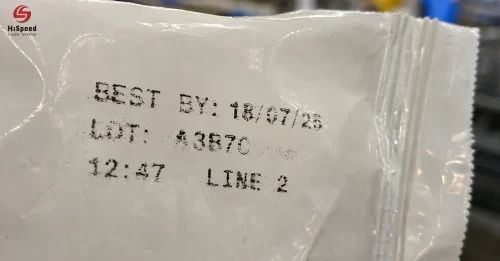
How Does UV Laser Coding Technology Work?
UV lasers typically use a 355 nm wavelength. They use the way materials absorb UV energy to create precise, detailed markings.
For flexible packaging materials, a common method is to use UV-responsive marking layers within the film structure. For example, a white layer containing titanium dioxide can produce high-contrast markings when exposed to a UV laser.
Unlike traditional thermal methods, UV lasers create a smaller heat-affected area. This makes them ideal for heat-sensitive materials, such as thin films.
Key characteristics of the process include:
- Non-contact processing
- No need for ink or ribbons
- Digital content editing
- High-precision character and QR code marking
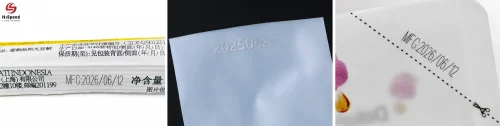
Why Are Compact UV Laser Systems Gaining More Attention?
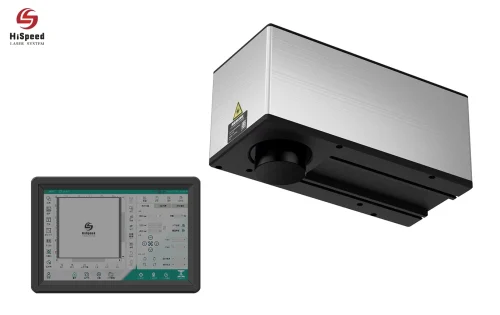
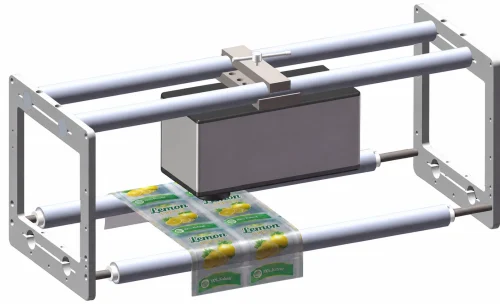
As equipment design continues to be optimized, compact UV laser systems are easier to integrate into existing packaging equipment.
Compact UV laser solutions offer more flexibility for production lines using TTO coding. They fit better in tight spaces and integrate easily into existing systems.
Practical Value of Compact UV Laser Coding:
1. Reduced consumable dependency and optimized long-term operating costs
UV laser coding does not require ribbons or ink during marking. This can reduce consumable spending, inventory management, and replacement operations.
2. Improved marking stability
Laser marking does not simply place ink on the packaging surface. Instead, it modifies the material to create permanent marks. With suitable packaging materials, this helps the mark resist friction, oil, and humidity changes.
3. Better suited for continuous production requirements
Modern packaging lines increasingly emphasize high speed, automation, and reduced manual intervention.
By reducing the need to replace consumables, UV laser coding can reduce potential downtime and improve Overall Equipment Effectiveness (OEE).
4. Supporting sustainable development in the packaging industry
Using fewer consumables, like ribbons, gives manufacturers a solution that better aligns with sustainable manufacturing trends.
Is UV Laser Suitable for All Flexible Packaging Applications?
Every marking technology has its ideal application range.
UV laser coding performance depends on several factors, including film material, multilayer structure, coating composition, and marking-layer properties.
For this reason, sample testing and process validation are important steps before introducing UV laser coding into production.
How to Check Whether Your Production Line Is Suitable for an Upgrade?
Companies can start by asking the following questions:
- Does your current coding mainly include date codes, batch numbers, simple QR codes, and product traceability information?
- Does your production line face frequent consumable changes, maintenance downtime, or high labor costs?
- Does your packaging material contain a UV-responsive marking layer, and can you verify the effect through sample testing?
If you answered yes to most questions, consider compact UV laser coding technology for evaluation.
Future Trend: From “Printing Information” to “Smart Coding”
Packaging coding is transforming.
In the past, companies mainly focused on: “Can the information be printed?”
Today, more manufacturers are asking:
“Can it operate stably?”
“Can it reduce maintenance?”
“Can it lower long-term costs?”
“Can it meet future production requirements?”
Compact UV laser coding is not the only solution for every packaging application. However, when the material and production conditions are suitable, it offers flexible packaging manufacturers another way to improve coding efficiency and adapt to changing production needs.
Conclusion
As a laser technology solution provider, HiSpeed Laser keeps up with changes in the packaging industry and helps manufacturers explore more suitable coding solutions through sample testing and process validation.
Laser technology continues to advance. Choosing the right solution based on actual production requirements remains the key to long-term manufacturing success.