
Every piece of wood has its own character. The grain, texture, and natural color make every wood type unique. With a little design, a simple piece of wood becomes a beautiful work of art. Engraving adds even more character to its surface. Today, laser technology makes this process faster, cleaner, and more precise. A laser engraving machine for wood can create fine patterns and detailed images.
What Makes a Laser Engraving Machine Good for Wood?
You can engrave wood in many ways, including traditional methods. Every method has its unique advantages and limitations. Not every method suits your project. That’s why you should assess both your project needs and the best method to achieve your goal.
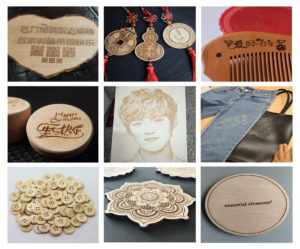
Superior Quality
A laser engraving machine for wood always produces clean, sharp results. It burns the wood surface evenly and leaves a clean engraving mark. This way, you get sharp details without damaging the wood grain. No rough spots remain, so the edges look sharp and smooth. Also, a wood laser engraving machine controls heat perfectly so it doesn’t scorch the material.
Higher Precision
Precision indicates how clearly and precisely your design appears on the wood surface. It is directly connected to the machine’s capability and tight tolerances. A well-balanced machine always follows digital designs exactly as given. From thin lines and small text to logos, every detail remains clear. Having tight focus is crucial here. On the other hand, poor machines produce blurry marks that ruin the artwork.
Faster Production
Speed affects production. It shows how many products you can make in a day. Lasers are typically known for unmatched speed compared to other methods while maintaining precision. Their high power and speed significantly reduce downtime. Thus, it helps businesses meet delivery dates for large-scale orders quickly. Overall, faster output improves efficiency and increases profits on high-volume orders.
No Physical Contact
Laser wood engraving machines are quite popular among manufacturers for their non-contact approach. Nothing presses, pushes, or drags across the surface. No contact means no wear. It also prevents splitting, chipping, and cracking. Because there is no physical contact, it remains much safer for delicate wood types. You can rely on it to achieve the desired outcome required for your project.
Lower Material Waste
A good laser wood engraving machine targets only the required design area. It also removes enough material to cut a clean mark. It creates narrow kerf lines. As a result, it wastes far less material than traditional saw methods. Overall, precise beam control makes it easier to avoid overcutting. Less scrap and fewer mistakes reduce material waste and save on extra costs over time.
Common Types of Laser Engraving Machines for Wood
Laser engraving comes in many different ways. Each differs in its process and the materials it can work on. Every method works on materials with diverse wavelengths and light sources. These variables influence the quality and smoothness of the engraving. Some are ideal for hobby projects, while others are for industrial use. Understanding them will help you choose the right machine.
Laser CO2
One of the most common wood engraving machines is a CO2 wood engraving laser. It consists of a sealed gas tube filled with carbon dioxide gas. Electricity stimulates these gas molecules to emit infrared light. It is powerful enough to cut wood. After excitation, the light focuses toward the material surface through a mirror.
The focusing lens focuses the light to a small point on the wood. It then generates heat that melts the material and creates engraved marks or slices. With it, you can cut and engrave easily. Manufacturers use it on plywood, MDF, solid wood, and even bamboo. It can also work on non-metals like wood, acrylic, paper, leather, and cloth.
Laser à fibre
A fiber laser is a modern technology that produces a light beam using a rare-earth-doped optical fiber. This optical source generates light, which is then magnified in a glass tube. This configuration produces highly focused light. The beam then passes through the collimator and focusing lens to the material surface.
This light has a much shorter wavelength and is excellent for etching metal. These metal types include aluminum, steel, stainless steel, brass, titanium, and others. You can also use it on hard plastics.
Diode Laser
A diode laser uses semiconductor material (diode) to generate light. This system is affordable, lightweight, and compact. Such solid-state electronics produce a visible blue light beam. The wavelength usually ranges from 445 nm to 455 nm. Darker wood surfaces absorb it very well.
The light beam passes through a tiny lens attached to the laser head. It travels through the entire wood surface in an X-Y pattern. The power remains quite low compared to a CO2 laser marking machine for wood. For this reason, diode lasers suit basswood, pine, and birch plywood. They can also mark leather, cardboard, etc.
Laser UV
Ultraviolet lasers produce UV rays that directly break molecular bonds to form a mark. Generally, they use frequency tripling to convert infrared rays into UV rays. The wavelength is typically around 355 nm.
UV lasers are preferably used for sensitive and delicate materials. They suit light-colored woods, veneers, and cork. You can also use them on plastics, glass, and coated surfaces.
Galvo Laser
A galvo laser is a beam delivery system. It uses high-speed motorized galvanometer motors. Unlike other systems, it doesn’t require moving the laser head; instead, tiny mirrors tilt rapidly across the material surface. It redirects the laser beam at high speed.
The galvo system integrates with fiber, CO2, and UV laser sources. Its engraving speed is remarkably fast. Most people prefer it for industrial, high-volume production runs. You can engrave logos, batch numbers, or other information on plywood, hardwood, and bamboo.
What Laser Power Do You Need for Wood?
Laser power varies widely depending on the work required. Low-power lasers run from 5 to 10 watts. They suit light surface tasks for wood. You can use them to mark logos, batch numbers, and barcodes. The medium range is between 30 and 60 watts. They can easily handle deep engraving on hardwood.
High-power lasers start around 80 watts and can go higher, depending on your needs. They can cut thicker wood quickly with precision. You can use them for signage, branding, furniture parts, and more. Mainly, match the wattage to the task’s needs. So, match it first; otherwise, buying too much power for a smaller task is expensive.
Which Wood Can Be Laser Engraved?
Many types of wood work well with laser engraving machines. You can use softwoods like pine, cedar, and basswood. They burn easily and produce clean marks with a laser engraving machine. Hardwoods include oak, walnut, cherry, and maple. They give sharp and detailed engraving. Other options, like MDF and plywood, are popular for signs and crafts. Choose based on your product and marking needs.
Wood Characteristics That Affect Engraving
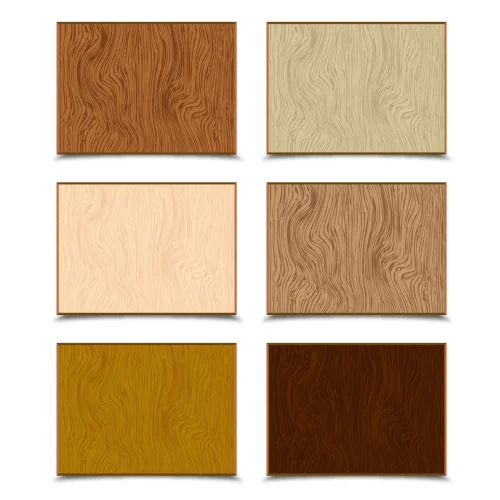
Not all wood works the same way with laser engravers. Internal properties change how they react to a laser. These properties include density, resin, grain, moisture, and more. They affect the final result. Understanding these properties also helps you choose the right settings and materials.
Densité
Denser wood requires more power to operate. It burns slowly and becomes dark. On the other hand, less dense wood burns much faster. It may also show less contrast.
Resin content
Resin can affect the engraving quality. Wood with high resin content, like pine, can flare up during engraving. As a result, it leaves darker marks and sticky residue on the surface. Low-resin wood burns evenly and cleanly with a laser engraving machine.
Grain pattern
The more even the wood grain, the smoother the results. Wide, uneven grain leads to uneven burn depth. It also affects sharpness and detail.
Moisture
A laser engraving machine for wood struggles to engrave moist wood. It can warp under heat. Dry, seasoned wood gives cleaner, more predictable results.
Surface finish
Raw wood absorbs the laser differently than coated wood. Paint, varnish, or wax can block or alter the burn. Therefore, always test finished surfaces before full engraving.
Adhesives in engineered wood
Some wood types contain adhesive, like glue layers. When they come into contact with a laser engraving machine for wood, they can release fumes. Good ventilation is a must when you engineer these wood products.
Best Laser Engraving Machine for Wood
A CO2 laser marking machine is the best-suited laser engraving machine for wood. The Hispeeds 30W/60W CO2 laser engraving machine for wood uses an RF laser source and a high-speed galvo scanner to mark non-metals permanently. The machine delivers high precision and speed while maintaining stable performance throughout production.
Its laser wavelength is 10.6 μm, with an engraving speed of around 5000 mm/s. The repeatability is ±0.01mm, and it features an air-cooling system to prevent overheating. You can also work with materials like acrylic, leather, and more. It doesn’t limit you to only wood types. Overall, it gives you the features you need to compete in the new market and finish your job efficiently.

Conclusion
This article gives you a comprehensive overview of laser engraving machines for wood. The right choice also depends on your wood types and project goals. CO2 laser engraving machine for wood remains the top choice among other options. It offers superior quality, precision, and speed. Match power and features to your needs.
If you have more questions regarding a laser engraving machine for wood, don’t hesitate to contact us. We are always ready to provide the information you need for your project.