
People use many different materials every day. These include metal, wood, plastic, glass, paper, and more in our homes and workplaces. As time passes, our tastes and needs are changing. People now want products that look more personal, creative, and attractive. This change has increased the use of laser cutting and engraving. Laser cutting materials add value and are great for personalization.
With laser cutting, a simple piece of wood becomes a creative product. The same goes for metals, acrylics, or other regular materials. You can add names, logos, patterns, or whatever you want. Today, laser technology also helps manufacturers grow their businesses. This article highlights market trends in various laser cutting materials.
Introducing Various Types of Laser Cutting Materials
Laser cutting can be used on a range of materials, depending on the project’s needs. Different materials require different lasers and work in different ways. This is why makers pick the materials and laser types they do. The right material affects speed, accuracy, and cost. Understanding these factors helps you make smart choices.
Laser cutting is highly versatile and supports processing many materials. Metals are among the most common options. Even with a laser cutting system, you can process highly reflective metals like aluminum and stainless steel. Other metal types include brass, copper, and many more. These metals play a vital role in the aerospace and automotive sectors.
Lasers don’t just work on metal. They are highly adaptable and a great choice for non-metals in many industries. With a laser, it’s easy to cut through fabric, paper, cardboard, cork, rubber, wood, and more. Most of the time, plastics, plexiglass, and polycarbonate are also used. Any business, from hobbyists and small businesses to big stores, can customize items to make exact shapes.
Overall, laser cutting has a wide range of applications in daily life. Every day, the market is expanding with innovation and product variety. Based on the material, specific laser types are preferable for clean cuts. Each material brings unique challenges and benefits. Choosing the correct one ensures better results and less waste.
Materialien für das Laserschneiden und Branchentrends
Laser cutting is a flexible, versatile option for many materials. It continues to shape modern manufacturing. Its precision, speed, process control, and automation make production much easier. Here are some of the most common laser-cutting materials driving industry trends and moving them forward.
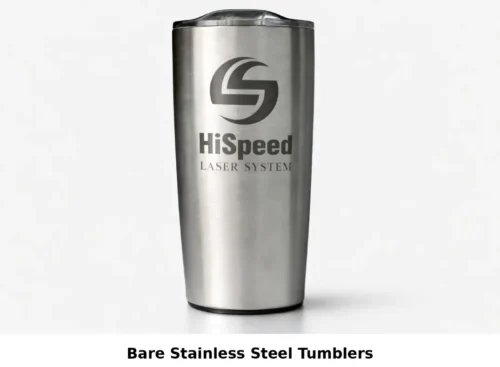
Laser-Cut Stainless Steel
Stainless steel is a key material in modern manufacturing. Demand for this material is rising as its applications broaden across sectors. For example, the automotive industry relies on it for A- and B-pillars and beams. Construction utilizes it for corrosion resistance. Shipbuilders use it to meet marine-grade specifications.
Beyond this, other stainless steel use cases drive demand in the modern market. For example, architectural parts include wall cladding, and metal building fronts use stainless steel. In kitchenware, countertops, frames, and sinks require this material for reliability. Most people prefer these products for the system’s precision and quality outcome.
The global stainless steel market is growing significantly. In 2025, the stainless steel market was valued at $135.8B. In 2026, it is valued at $146.1 billion. The forecast says it will reach $247.4 billion by 2033, with a 7.8% CAGR, according to Grand View Research.
Laser Cut Aluminum
Laser-cut aluminum and its alloys are in high demand for making lightweight parts. They are very common in vehicles and airplanes. Today, manufacturers need lightweight solutions to address modern challenges and stay competitive in the market. This is where aluminum becomes one of the top-tier options among laser-cutting materials.
Factories are using aluminum to produce 2mm-thick battery sinks, frames, EV brackets, drone frames, and more. Aerospace needs aluminum for 6 mm-thick panels.
Cutting aluminum may not be as straightforward as other metals. As you know, it can be highly reflective. If you use conventional methods or CO2 laser engravers, you may run into problems cutting it, which can lead to material waste. However, a fiber laser eliminates these difficulties. It turns the challenge into an opportunity for everyone.
High-power fiber laser cutting now makes it possible to create precise parts. No matter how reflective the metal surface is, modern laser metal cutters can handle it.
Typically, 12 kW to 20 kW fiber lasers with a dynamic focus system are ideal for 6000 series aluminum metals. Their combination of quality, speed, and results is profitable for new EV makers.

Copper, Brass and Other Reflective Metals
Copper, brass, and other reflective materials are also widely used. With traditional cutting methods, these materials may be tricky to cut. However, fiber laser cutting typically works on almost all types of metals.
Many factories use copper and brass extensively. Some common end products include EV battery busbars, switchgear plates, and heat exchangers. Brass screens are also widely used for architectural decoration. As a result, the market value of these metals is increasing day by day.
Copper growth in recent markets is improving because the EV, solar power, and electronics sectors rely heavily on it. Brass is used in the jewelry industry and electronic housing connectors. As more people demand modern solutions, demand continues to grow.
Laser Engraving Wood
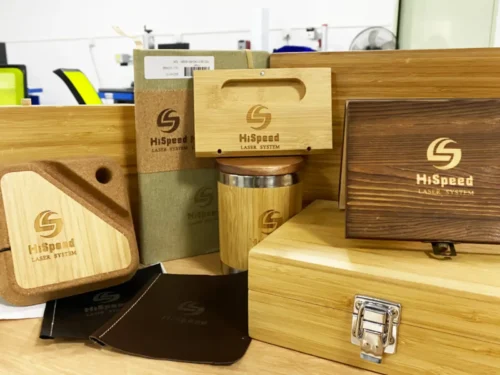
A laser engraver for wood materials unlocks multiple business ideas. You can turn plain wood into custom products to meet project demands. From the furniture industry to gift shops and kitchenware brands, you can produce personalized and decorative items. Popular wood products include frames, coasters, boards, and spice labels.
The global wood and timber market is growing steadily as demand for wood products rises. In 2025, the market size was valued at $1.05 billion. Analysis says it is expected to grow from $1.1 billion in 2026 to $ 1.6 billion by 2034, with a CAGR of 4.76%.
High demand for e-commerce gifts and sustainable custom products generally fuels this market. Advanced dynamic autofocus, galvo scanners, vector software, and other features boost the entire process. In this case, you can use a CO2 or diode laser to engrave wood and timber products.
Laser Cut Acrylic
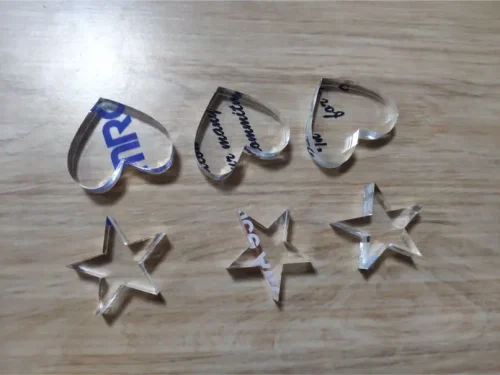
Laser-cut acrylic is a favorite material for signs, displays, and jewelry. Many retailers use it for illuminated signs and store displays. Event planners deploy it for wedding decor and table markers. It can also be used for electronic covers and light panels, since acrylic cuts are clean and easy to read.
Acrylic shows strong market growth, similar to other materials. The global laser-cut acrylic market was valued at $1.8 billion in 2023 and is projected to reach $2.8 billion by 2030, growing at a 7.3% CAGR. Asia Pacific leads this market with a 41.2% revenue share. This growth is driven by manufacturing growth in China, Vietnam, and India. Signage and automotive uses drive most demand.
Laser Cutting Plastic
Laser cutting plastic supports many sectors beyond just the signage industry. Automotive makers create lightweight parts and interior trims with plastic. In the medical sector, it serves as a crucial component of devices such as enclosures and packaging. Many electronic firms use them for casings and precision parts, since laser cuts leave clean, smooth edges.
The global plastic market is quite vast. It was valued at $533.59 billion in 2025. Now, it is projected to grow from $560.38 billion in 2026 to $ 832.62 billion by 2034. The CAGR is expected to be 5.1% during the forecast period.
Laser Cutting Glass and Glass Etching
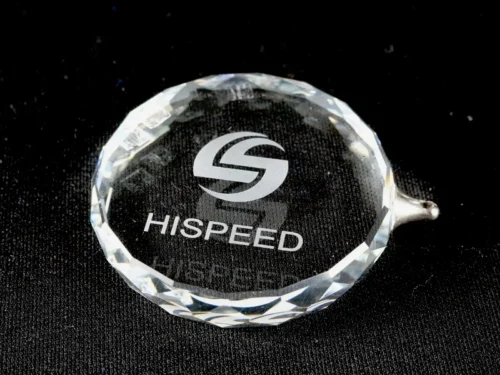
Typically, the laser does not cut through glass like it does metals and non-metals. Instead, the system frosts the targeted region with a fixed spot on the surface. Gift shops use these laser-cutting materials to create custom awards with specific designs and wine glasses. You can also use these laser-cut glass pieces for home decor vases, mirrors, and drinkware.
In this process, the laser beam vaporizes a tiny portion, leaving a clear mark without weakening the glass. This efficiency and broad range of applications make glass a high-demand laser-cutting material. UV and CO2 lasers work best on these glass products for optimal, precise results.
Laser Cutting Paper and Cardboard
Cardboard is also a demanding laser-cutting material for delicate details. You see it widely used in printing shops, packaging brands, and prototyping. From invitations, greeting cards, and book covers to gift boxes, cartons, and retail displays, it fuels many industry sectors. Laser cutting skips costly die-making steps, making it a suitable option for industry use.
Digital laser cutting fits modern packaging demands well. The laser marking and cutting sector in packaging is valued at $274.87 million in 2026. The forecast says it will reach $483.04 million by 2036, at a 5.8% CAGR, according to Fact. MR. The broader paper packaging market is globally valued at $ 435.7 billion in 2026.
Schlussfolgerung
Laser cutting is a non-contact method that uses a laser beam to cut materials. By controlling the laser path, you can create a wide range of design cuts. Where traditional methods struggle to cut complex shapes, laser cutting can do it in just a few minutes. It is a flexible method that can work with many different materials. However, the type of laser matters for which materials can be cut.
HiSpeed Laser offers versatile laser solutions, including fiber, CO2, and UV lasers. You can also customize your device at our facility based on your project needs. For more information, feel free to Kontakt our customer support team.