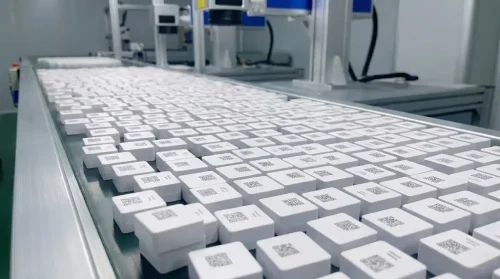
1.Laser Marking
Laser marking is mainly used for marking text, logos, and QR codes.
The advantages are speed, fade resistance, and permanence.
Almost all industries use laser marking technology.
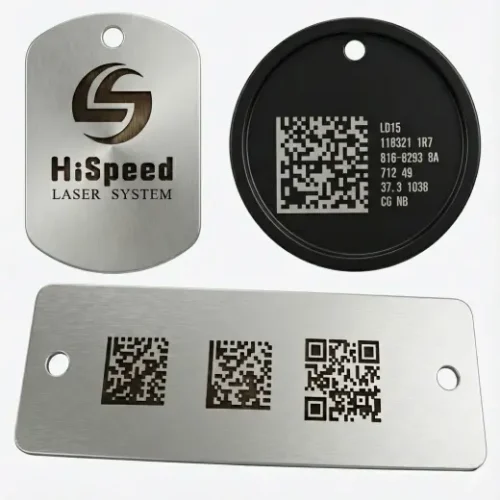
2. Laser Engraving
Laser engraving is different from marking; it has “depth.”
Laser engraved patterns are tactile and have a strong three-dimensional effect.
It’s especially common for gifts, leather, and wood.

3. Laser paint removal
Laser paint removal technology removes the paint from the surface, exposing the underlying material.
This technology does not damage the metal, and the edges are exceptionally clean.
Laser paint removal technology is commonly used on materials such as kettles, tools, and hardware.
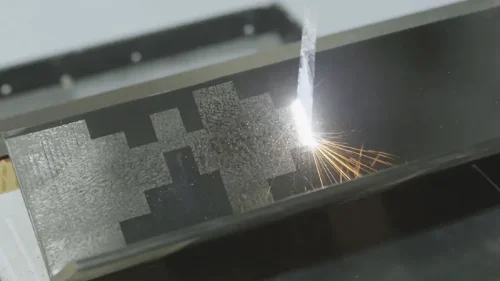
4. Laser Color Marking
During the marking process, the material is not etched away, only the color changes.
Laser color marking produces a high-quality effect, but parameter settings are crucial.
This technology can be used for color marking on stainless steel.

5. Laser Black Marking
Laser black marking technology is not dyeing; it’s a reaction of the material itself.
It does not rust or peel off.
Laser black marking is very suitable for the medical and food industries.
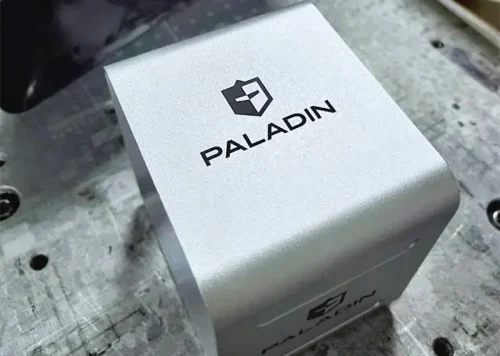
6. Laser Translucent Marking
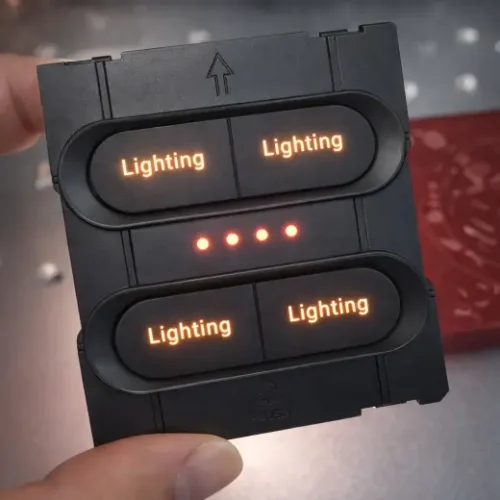
Laser translucent marking is mainly used on plastics with a painted surface.
The light is applied from the back of the material, and the laser-marked text appears to glow.
Laser translucent marking is commonly used on electronic casings, buttons, and other materials.
7. Glass/Acrylic Laser Engraving
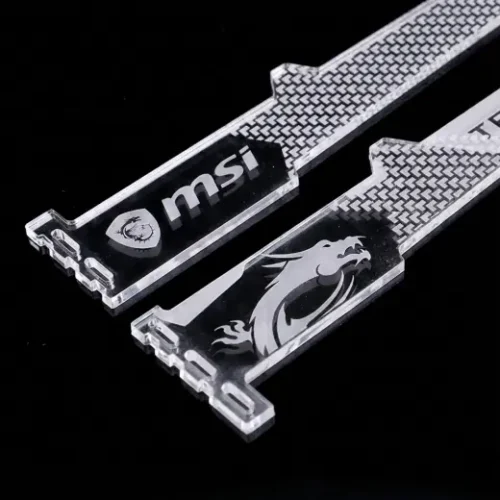
Laser processing of transparent materials looks simple, but it actually requires the most experience.
If the parameters are not set correctly, transparent materials can easily crack.
High-end custom marking on glass or acrylic requires precisely set parameters.
8. Laser Etching + Color Filling
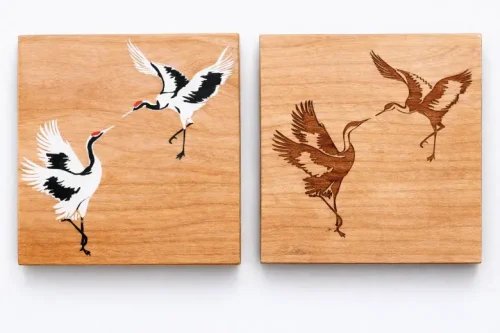
Laser etching combined with color filling technology involves using a laser to create a base pattern, followed by filling with paint or ink.
This marking effect is durable and resistant to fading.
Laser etching + color filling technology is frequently used for panels, signs, and other materials.
9. Laser Fixture and Process Integration
The accuracy of laser marking depends not only on the laser itself but also on the fixture.
For mass production marking, the use of laser fixtures and integrated processes is essential.

10. Laser Consistency Control (Batch Stable Process)
Having a single good-looking marked sample is not enough.
The real skill lies in achieving consistent marking patterns for one hundred or even one thousand consecutive pieces.
Production lines requiring batch marking must utilize laser consistency control technology.