INDUSTRIAL RUBBER PROCESSING GUIDE | HISPEED LASER

Laser Engraving Machine for Rubber: Industrial Guide from HiSpeed Laser

A laser engraving machine for rubber uses a focused CO2 laser beam to vaporize rubber and create relief patterns. It is the fastest way to produce rubber stamps, gaskets, and custom parts without tooling. This guide covers practical setup, material selection, and real production tips for industrial buyers.

Request Rubber Sample Test Get OEM/ODM Quote

Overview: Why Use a Laser Engraving Machine for Rubber?

10.6 µm CO₂ Thermal Ablation

A CO2 laser emits light at a wavelength of 10.6 µm. Rubber absorbs this wavelength well. The laser beam heats a thin layer of rubber until it vaporizes. This thermal ablation removes material and leaves behind raised features.

CO₂ lasers are the gold standard for rubber engraving machines. They handle both natural rubber and approved synthetic rubbers with precision. The engraving process is contact-free. That means no tool wear, no distorted characters, and stable dimensions across batches.

Core Benefits for B2B Production

HiSpeed Laser is an OEM/ODM manufacturer of industrial CO2 laser engraving machines. Our systems handle rubber engraving, laser cutting, and surface marking for factories worldwide. This article focuses on production-grade advice-not hobby-level tips.

How Laser Engraving Rubber Works

The engraving process starts with a focused CO2 laser beam. The beam hits the rubber surface and vaporizes material layer by layer. This forms the background (negative area). The untouched rubber remains as raised features for printing.

01 Shallow vs. Deep Engraving

Shallow engraving produces surface marking for logos, codes, or identifiers. Deep engraving removes enough material to create stamp faces with clear relief, preventing tool wear across entire batches.

02 Optimal Relief Depth

For stamp engraving, relief depth should be around 0.9–1.1 mm (0.04–0.06 inches). This depth ensures that the background does not touch ink or paper during stamping. Larger text may need up to 1.5 mm. Fine details need shallower cuts to avoid collapsing thin lines.

03 “Shoulder” Ramp Software

Many laser engraving machines have specialized software to support stamp-making features. One example is “shoulder” or “ramp” engraving. This creates tapered walls around raised elements. The base stays wider than the top. Shoulders protect fine details from breaking under stamping pressure.

Laser processing delivers fine details and precise results. Because rubber laser engraving is contact-free, it prevents tool wear. Every stamp in a batch matches the last one.

Advantages of Laser Engraving for Rubber

Best Rubber Materials for Laser Engraving and Cutting

Choosing the right rubber ensures clean edges and minimal odor. We recommend laser-engravable rubber compounds specifically manufactured for optimal results.

Here are the most common laserable rubber types:

Material Common Uses Notes
Laserable stamp rubber Custom stamps, text plates Cleanest edges, lowest odor
Natural rubber sheets Traditional stamps Selected natural rubber can be suitable for laser processing
NBR (nitrile rubber) Industrial gaskets, seals NBR rubber grades may be laser cut for gaskets and seals
EPDM rubber Protective pads, spacers EPDM rubber can be laser cut for protective pads and spacers
SBR General-purpose rubber parts Moderate laser compatibility
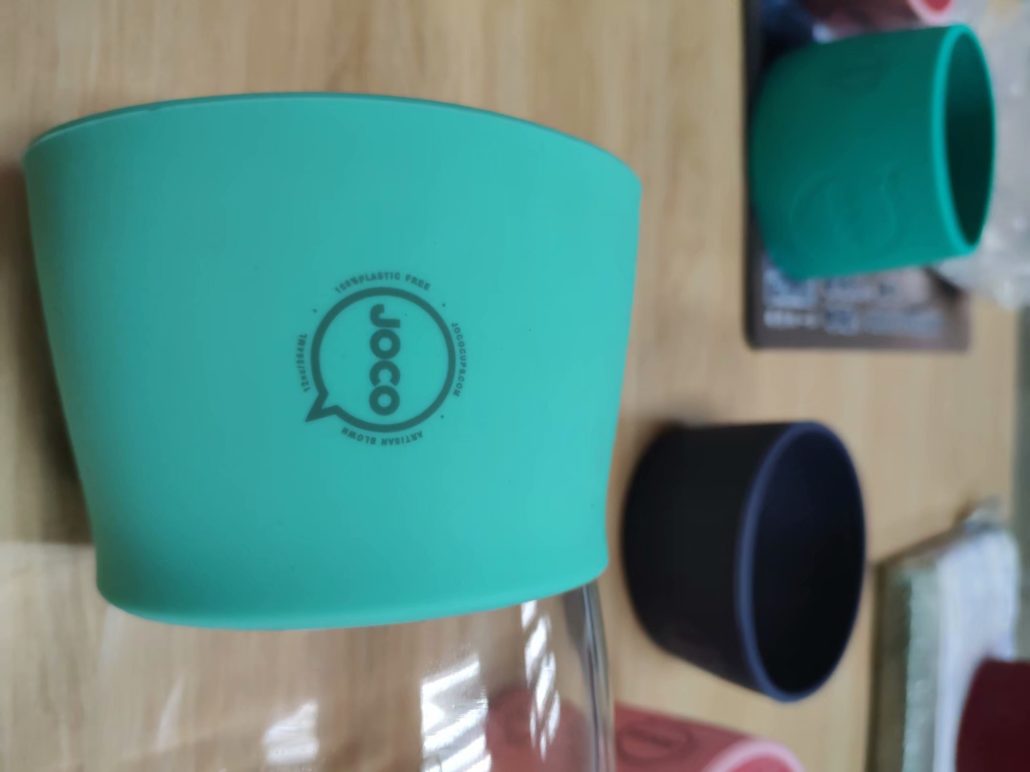
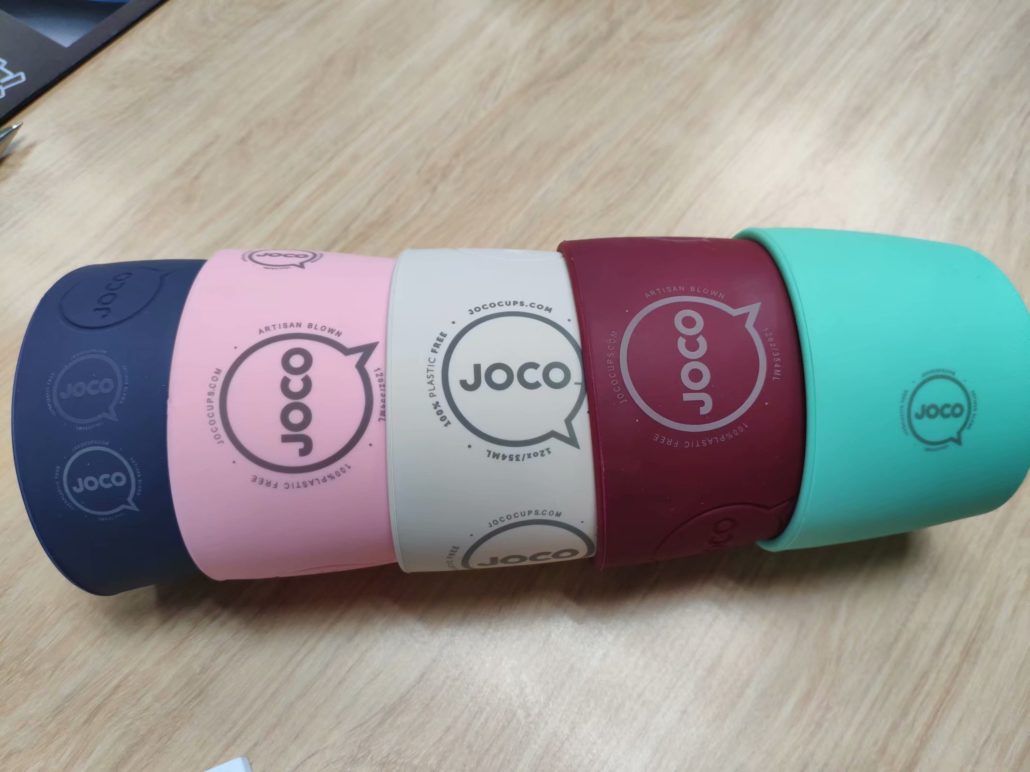
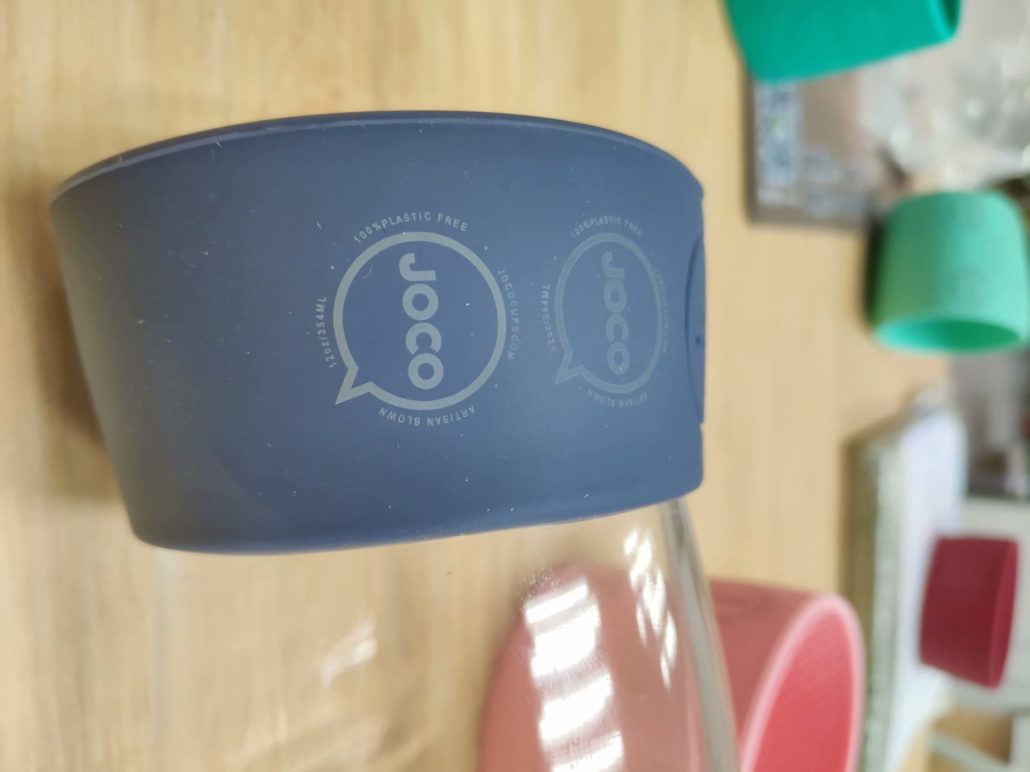
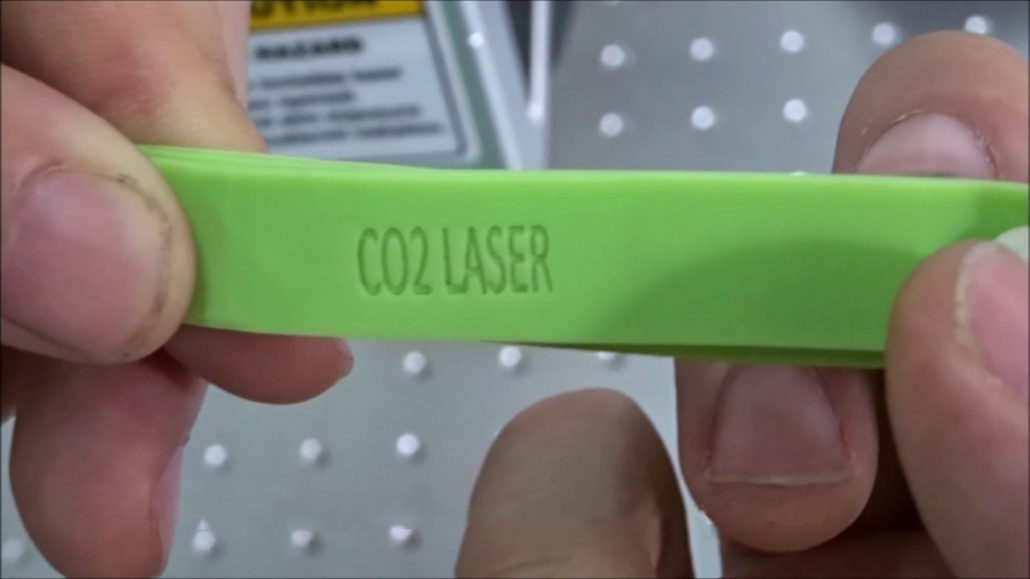
Silicone rubber Wristbands, medical grips Silicone rubber can be marked and engraved for various applications

Laserable stamp rubber is ideal for creating custom stamps. It is ideal for engraving and cutting because it gives cleaner edges and less odor than generic rubber sheets. Laser-safe rubber should be specifically manufactured for laser engraving.

CO₂ vs Fiber Laser: Choosing the Right Machine for Rubber

The difference comes down to wavelength absorption: rubber absorbs 10.6 µm CO2 light far better than 1064 nm fiber laser light.

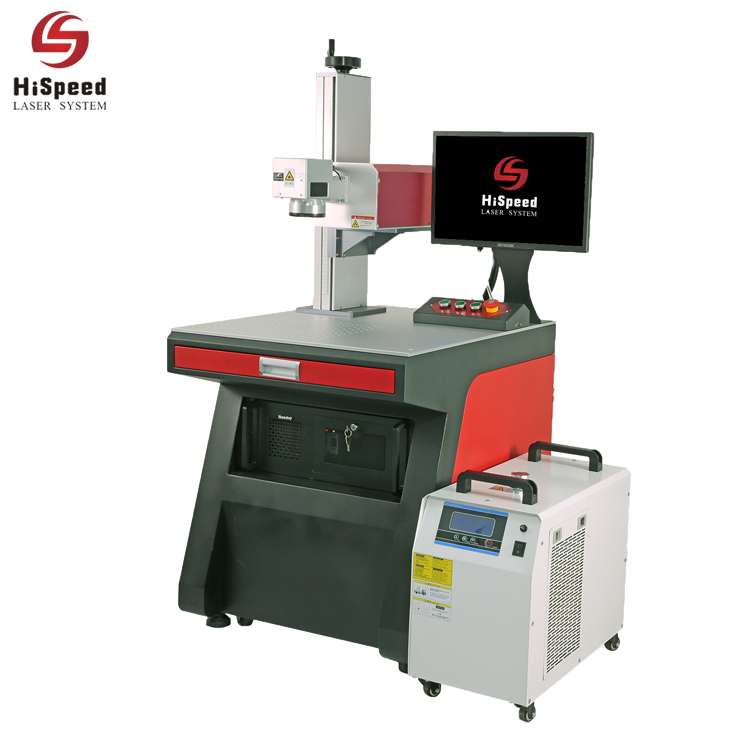
CO2_laser_marking_device_laser_marking_machine_and_laser_engraving_machine

CO2 Laser Marking Machine:

Built for Deep Rubber Engraving & HIgh-Volume Production

Designed for deep engraving on rubber, this CO2 laser marking machine removes material to create deep, visible markings. It is suitable for engraving logos, text, patterns and identification marks on rubber products.

Get a Quote

UV Laser Marking Machine:

Best for Ultra-Fine Surface Marking

Ideal for surface marking on rubber, this UV laser marking machine produces fine, precise marks with minimal heat impact. It is suitable for marking logos, text, serial numbers and other details without deep engraving.

Get a Quote
Desktop_UV_Laser_Marking_Machine_Laser_Engraving_Machine

HiSpeed Laser supplies both CO2 laser systems for rubber and fiber laser marking systems for metals. See our CO2 Laser vs Fiber Laser comparison or consult our team before investing.

Key Machine Features for Rubber Stamp Making and Stamp Production

Industrial stamp production demands machines built for throughput and precision. Craft-grade tools cannot keep up.

Here is what to look for when selecting the right laser engraving machine for rubber.

Bed Size & Power

  • Working area sizes should match your sheet size and batch needs:

300×200 mm: Small batches, many small stamps per sheet.

600×400 mm: Medium batches, standard rubber sheets.

900×600 mm: Large seal plates, gasket sheets, high-volume production.

  • Laser Power (40W–150W): Use 40–60 W for 2–3 mm stamp rubber at production speed; choose 80–100 W+ for cutting rubber thicker than 3 mm. HiSpeed Laser offers sealed CO2 laser tubes from 40 W to 150 W.

Motion & Essential Accessories

  • Precision Motion: Linear guides and closed-loop servo control. High speed engraving at 500 DPI or above captures small text and intricate designs. Vibration-free motion preserves fine details on rubber stamps.
  • Focusing Lenses: A 1.5″ lens for fine text, or a 2.0″ lens for standard stamp work.
  • Air Assist: Robust air assist system to blow away soot and keep edges crisp.
  • Honeycomb Table: Provides flat, optimal support and bottom ventilation during engraving.
  • Industrial Fume Extractor: Equipped with HEPA and activated carbon filters.

HiSpeed Laser customizes machines with OEM branding and special fixtures. Learn more about custom OEM solutions for stamp production lines.

Step‑by‑Step: How to Laser Engrave Rubber Stamps

Follow this practical production workflow to laser engrave rubber stamps on standard rubber sheets.

01 Prepare your design

Proper preparation of designs is necessary for effective rubber engraving. Create high-contrast artwork: black for print areas, white for background. Mirror the design so the stamp impression reads correct. Add shoulder profiles around text and logos. Set separate layers for engraving and laser cutting paths.

02 Mount the rubber sheet

Place the rubber on the laser engraving machine bed. Use a honeycomb table. Secure the edges flat. Any lift or warp changes focus and blurs details. Clean rubber surfaces before engraving to ensure quality results.

03 Focus the laser

Set the CO2 laser focus at the rubber surface. Even a small focus error widens lines and reduces stamp quality.

04 Set starting parameters

For 2.3–2.5 mm stamp rubber on a 60 W CO2 laser, use the baseline values on the right as a starting point.

Use air assist during both steps. Fine tune settings based on results. For guidance on other materials, see laser cutter settings for different materials.

Parameter Engraving (Raster) Cutting (Vector)
Speed 100–150 mm/s 20–40 mm/s
Laser power 80–100% 80–100%
DPI 400–500 N/A
Passes 1 1–2

05 Run a test

Conduct test engravings to optimize laser settings for rubber. Engrave a small square on scrap rubber. Check depth, edge quality, and impression clarity. Adjust speed and power before running the full job.

06 Clean the finished stamp

Remove dust with a soft brush or compressed air. Rinse with water or mild soap if the rubber material supplier approves it. Avoid harsh solvents. Inspect engraved areas for residue.

Industrial Applications Beyond Rubber Stamps

A CO2 laser engraving machine for rubber supports diverse industrial and commercial manufacturing lines.

Industrial & Manufacturing Applications

  • Gaskets, seals, and O-rings: Laser cutting rubber sheets creates custom profiles for automotive, HVAC, and machinery use. This is a precise method for producing custom parts without dies.
  • Medical device grips: Laser engraving rubber adds lot numbers and ID marks without damaging sterile components.
  • Heated handles & knobs: Engraves patterns on rubber handles to increase grip friction and comfort.
  • Construction & Safety: Engraves precise scales or logos on rubber protective gear and gloves.

Consumer & Custom Products

  • Silicone wristbands and watch straps: Shallow engraving adds logos, QR codes, and decorative patterns.
  • Phone case covers: Laser engraved rubber phone case surfaces carry brand marks and textures.
  • Rubber pads for fixtures: Anti-slip mats with branded logos for automotive or electronics assembly lines.
  • Florring & Shoe Soles: Adds high-friction grip patterns for commercial or nursery flooring.
Laser Engraving Machine for Rubber

HiSpeed Laser systems integrate into production cells for OEM clients. Conveyors, vision alignment, and multi-head CO2 lasers handle high-throughput rubber processing in electronics, automotive, and packaging sectors.

If you want to explore this as a business, read about how to start a profitable laser engraving business.

Discuss Your Rubber Application

Process Optimization: Settings and Tips for Clean Rubber Engraving

Correct laser settings cut dust, charring, and rework. Excessive laser energy can cause charring and melting of rubber. The goal is to use the lowest energy that still reaches your target depth.

Settings & Optics Tips

Safety and Fume Extraction When Laser Engraving Rubber

Fume control is not optional in rubber engraving and laser cutting. It protects your team and your equipment.

Why is fume extraction critical for rubber?

Laser engraving on rubber can produce a sticky residue and heavy smoke. Depending on rubber formulation, fumes may include harmful gases, dust, and strong odor. Effective exhaust and ventilation systems are mandatory when engraving rubber.

Best Practices for Safe Rubber Processing

Use Enclosed Systems

Use closed or semi-closed CO2 laser engraving machines for rubber work.

HEPA & Carbon Filtration

Pair your laser machine with a fume extractor. Fume extractors are essential during rubber engraving processes. Choose units with HEPA filters for particles and activated carbon for gases.

Dual Top & Bottom Suction

Use effective fume extraction during rubber engraving. Both top extraction and bottom suction improve air quality.

Avoid Chlorine & PVC Rubbers

Do not laser process chlorine-containing rubbers like PVC. These release HCl gas that corrodes optics and harms operators.

Verify Batch SDS Data

Verify rubber composition before processing every new batch. Check the SDS.

Run routine checks on ducting, filters, and seals. Dirty filters reduce airflow and push contaminants back into the workspace.

HiSpeed Laser offers matched extraction systems and remote support. We help clients set safe rubber engraving workflows through training and diagnostics.

Comparing Laser Engraving Rubber vs Mechanical Stamp Production

Many stamp makers switch from mechanical methods to CO2 laser engraving machines. The reasons are practical.

Factor Mechanical Methods CO2 Laser Engraving
Tooling Dies, plates, chemical baths None
Setup time Hours to days Minutes
Design changes New tooling needed Edit file, re-run
Small batches Expensive per unit Same cost as large runs
Consistency Varies with tool wear Ensuring precise results every time

Traditional Mechanical Methods

  • Chemical etching.
  • Vulcanized stamp plates.
  • CNC cutting.
  • Each requires tooling, chemicals, or long setup times.


Digital CO₂ Laser Workflow

Go from design to finished rubber in minutes.

  • No plates. 
  • No dies.
  • Easy design changes.

This enables faster prototyping and batch production of custom stamps for offices, banks, and brands.

Automate Your Stamp Production: OEM buyers can partner with HiSpeed Laser to design automated stamp production cells with conveyors, vision alignment, and multi-head CO2 laser systems.

How HiSpeed Laser Supports OEM/ODM Rubber Engraving Solutions

HiSpeed Laser is a B2B industrial partner. We are not a consumer desktop supplier. Our laser engraving machines for rubber are specifically designed for production environments.

OEM Branding & Software

OEM options include custom machine covers, colors, and control panels. We integrate client software for stamp production and rubber engraving lines. Branding, safety labels, and interface localization are standard.

Custom ODM Engineering

ODM projects go further. We build CO2 laser engraving systems from scratch for rubber gasket manufacturers and rubber stamp franchises. Robot-fed systems, custom cooling, and humidity controls are all possible..

Global Service 

Global service covers installation, remote diagnostics, spare parts, and operator training. We support teams who handle rubber materials daily.

We invite distributors and system integrators who target rubber stamps and rubber cutting markets.

Our reach spans Europe, America, Asia, Oceania, and Africa. Contact details are available on our website.

Discuss OEM Projects

FAQs

For small stamps, 35–40 W is the minimum. For production volumes with 2–3 mm rubber, 50–60 W delivers reliable speed. For cutting thicker or dense rubber, choose 80–100 W or more.

Yes. A CO2 laser cutter handles both. Vector cutting uses slower speed and higher power than raster engraving. Always cut after engraving to avoid misalignment.

Rubber stamp engraving depth should be around 0.9–1.1 mm. Larger stamps may need deeper relief. Too much depth on small text collapses fine details.

Use strong air assist and extraction. Direct exhaust both above and below the material. Optimize power and speed to reduce overburn. Clean finished parts with a soft brush or mild soap rinse.

A fiber laser engraver marks metals well. It does not produce deep relief in rubber. Use fiber only for metal parts that include rubber inserts. For all rubber stamp making, CO2 laser engraving is the suitable and preferred choice.

With heavy rubber work, check and clean the lens and mirrors daily. Replace extraction filters weekly during high volume production. Verify beam alignment weekly or after large jobs.

Ready to Start Your Rubber Engraving Project?

Send HiSpeed Laser engineers your artwork, rubber type, batch size, and desired depth. We will provide tailored parameter suggestions, machine selection advice, and sample testing for your production line.

Send Files & Get Quote