
When the power of a 2000W laser rust removal machine drops, how does Hispeedlaser provide emergency after-sales support?
Sudden equipment malfunctions can disrupt more than just the machine. They can delay project delivery, damage customer trust, and complicate on-site service plans.
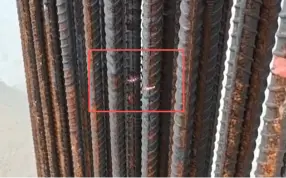
The Hispeedlaser after-sales team recently helped an overseas partner resolve an urgent issue. This involved a CW 2000W laser rust removal machine. The outdoor cleaning equipment soon lost laser power. It also gave inconsistent results during use.
We learned that high-power laser cleaning equipment operates smoothly for many reasons. The timely response, system troubleshooting, and proper daily maintenance are important.
Unexpected Event: Laser Power of the Laser Rust Removal Machine Drops Rapidly after Emission
The customer noted that 1-2 seconds after the equipment began emitting light, the laser intensity noticeably dropped. This drop made it difficult to maintain a steady output.
The equipment was in use at the customer’s site. Since the project was a leased service, the customer had to restore the equipment quickly.
Preliminary Inspection: Protective Lens and Internal Optical Component Burnout
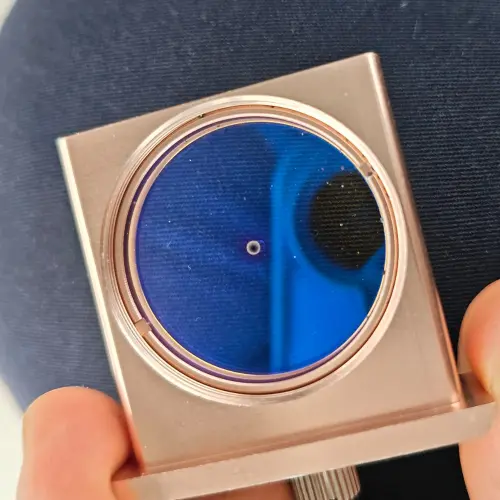
After helping the customer with an online machine inspection, Hispeedlaser technicians found burn marks. These were on the protective lens at the front of the cleaning head and on some internal optical lenses.
Optical lenses are a crucial component of the laser cleaning head. When smoke, oil, moisture, or splashes dirty the lens, high-power laser light can cause problems. It can raise temperatures in certain areas. It may also damage coatings and affect laser stability and output.

Rapid Response: Restoration of On-Site Service Capability of the Laser Rust Removal Machine
In response to the customer’s urgent need, we immediately conducted internal technical communication. We sent a full set of optical lenses based on the customer’s inspection. This set replaces the burned-out front lens. The internal F50 plano-convex lens was also replaced. We also assisted the customer in replacing the burned-out components.
After the customer finished the lens replacement, the equipment restored some light output. However, the laser power stayed low and unstable.
Further checks showed the issue wasn’t just the burned-out lens. It was linked to how the lens assembly was installed. The lenses, pressure rings, and retaining rings inside the cleaning head must be installed in the specified order. If the installation order or position is wrong, the lenses may not align well in the optical path. This can affect laser transmission, leading to lower or unstable output power.

Buying Time for Customer: Provision of Replacement Equipment Support
To cut downtime, Hispeedlaser provided a tested 1500W laser cleaning machine. This serves as a temporary replacement for the client’s project.
Before we shipped the replacement equipment, we tested it. We also confirmed the packaging. This helps the client quickly restore on-site service. It also reduces the risks of project delays.
After receiving the replacement equipment, the client resumed on-site operations.

Further Confirmation: Protective Gas Is Critical for High-Power Laser Cleaning
In later talks, we confirmed the operating environment. We also checked the gas needs for the high-power laser cleaning equipment with the customer.
For high-power equipment, we recommend using clean, dry, oil-free compressed air. It can protect the cleaning head’s optical system.
Recommended configuration for Hispeedlaser:
- Compressed Air Pressure: Approximately 6 bar / 0.6 MPa
- Air Condition: Oil-free, water-free, and clean
- Air Line Configuration: Installation of an oil-water separator and air filtration system is recommended
- Pre-Operation Check: Confirm continuous and stable protective gas supply before laser cleaning operation
Especially in outdoor, heavily rusted, oily, or dusty working environments, the inspection and cleaning of protective lenses should be part of routine operations.
Results of this processing
During this after-sales support, Hispeedlaser has completed the following:
✅ Resending optical lenses based on the on-site situation
✅ Assisting the customer in completing lens replacement and testing
✅ Continuously troubleshooting equipment malfunctions
✅ Confirming that unstable light output is related to the installation sequence of the lens components
✅ Clarifying the protective gas usage requirements for high-power cleaning equipment
✅ Offering a reliable 1500W replacement device to ease project pressure for the customers.

The stability of high-power laser cleaning equipment relies on several factors. These include the equipment itself, the on-site environment, protective gas conditions, lens maintenance, and operating procedures.
Users can lower the risk of damage to optical components by:
- Regularly inspecting protective lenses
- Keeping gas paths clean
- Preventing contaminants from entering the cleaning head
For Hispeedlaser, after-sales service goes beyond troubleshooting. It focuses on quick, actionable solutions when customers need help. This approach aims to reduce downtime and keep projects moving forward.
Hispeedlaser will continue to offer support to customers. This includes equipment help, technical guidance, and application advice. We aim to ensure that our laser cleaning equipment works reliably and steadily in real-world conditions.